
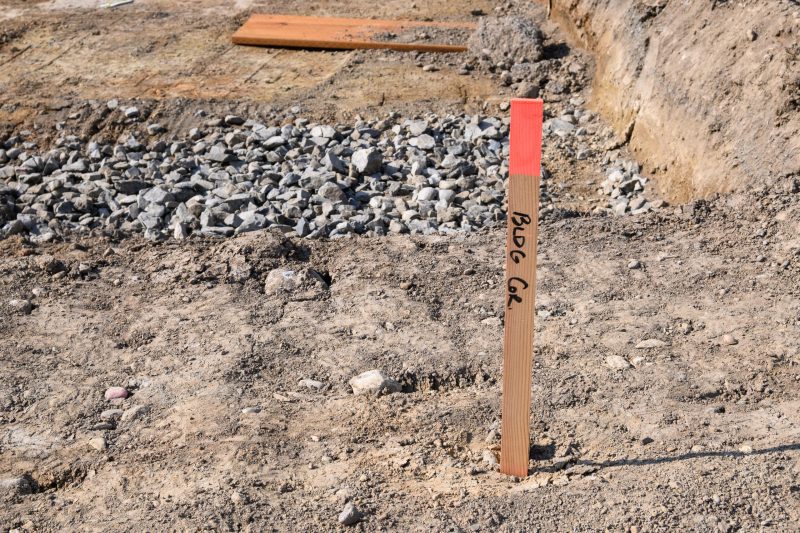
GEOTECHNICAL SURVEY
A geotechnical survey involves investigating the physical properties of soil and rock beneath the surface to determine their suitability for construction projects. This type of survey is crucial for understanding subsurface conditions, which can significantly influence the design and safety of structures ranging from residential buildings to large infrastructure projects like bridges and highways.
Purpose of Geotechnical Surveys
1. Assessing Underground Conditions: Geotechnical surveys provide insights into the types of soil and rock present, groundwater levels, and any potential subsurface hazards such as voids or contaminated materials.
2. Determining Load-Bearing Capacity: These surveys evaluate the strength and compressibility of the ground, which is essential for designing foundations that can safely support the weight of structures.
3. Identifying Environmental Risks: Surveys can also help identify contamination in soils, which is vital for environmental protection and compliance with regulations.
Methods Used in Geotechnical Surveys
• Surface Exploration: This includes geological mapping, geophysical methods, and visual inspections to gather preliminary data about the site.
• Subsurface Exploration: Techniques such as test pits, borings, and in situ tests are employed to collect soil samples and assess their properties.
• Laboratory Testing: Soil samples are analyzed in laboratories to determine their physical and chemical properties, which inform engineering decisions.
Importance of Geotechnical Surveys
Conducting a geotechnical survey is a critical step in the planning and development of any construction project. It ensures that structures are built on solid foundations, minimizing the risk of structural failure and costly repairs in the future. By understanding the subsurface conditions, engineers can design more effective and economical foundations, ultimately leading to safer and more sustainable construction practices.
In summary, geotechnical surveys are essential for assessing the ground conditions necessary for safe and effective construction, providing valuable data that influences every aspect of project planning and execution.